
Norwich Sciatica Relief: What Helps, What Doesn’t, and Why Stretching Can Make It Worse
Updated: Apr 16
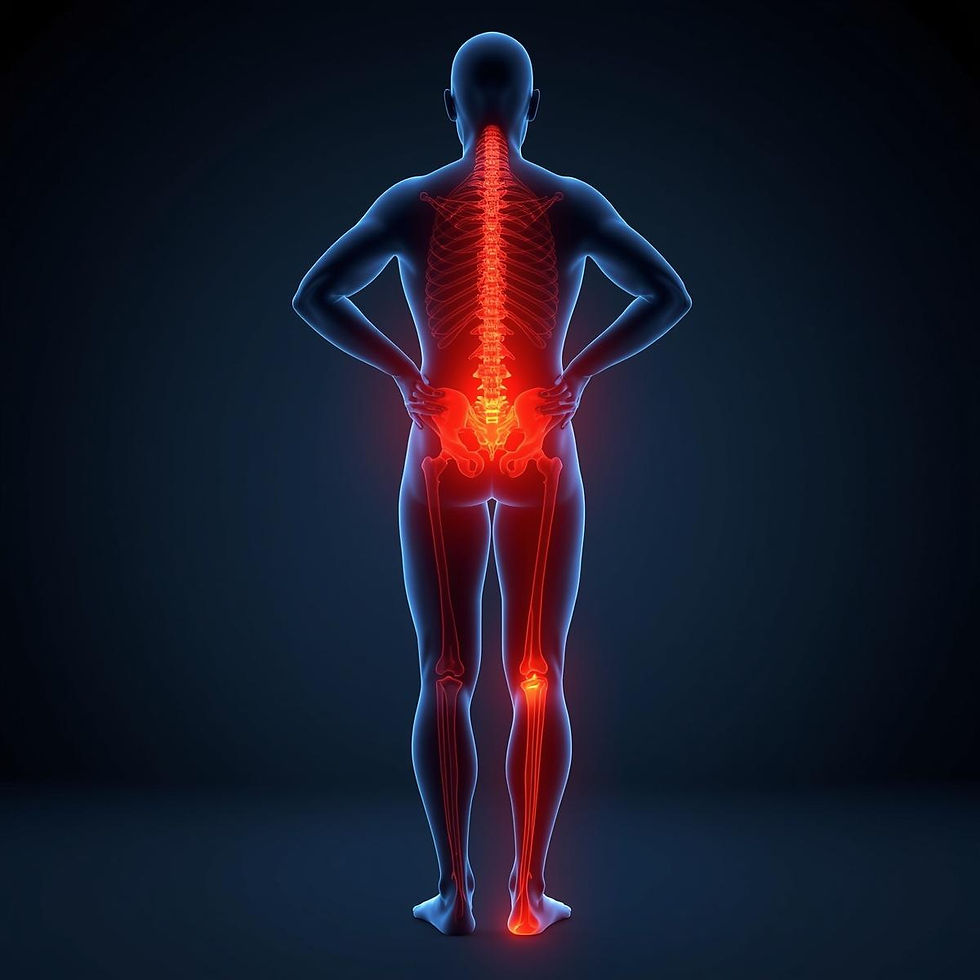
Sciatica is a common condition that causes sharp, shooting pain along the sciatic nerve, which runs from the lower back down through the leg. If you live in Norwich and you’re dealing with this kind of pain, you’re definitely not alone, it’s one of the most frequent reasons people in the city seek help for lower‑back and leg symptoms.
Many people try generic stretching routines or yoga to relieve sciatica, but these approaches can sometimes make symptoms worse. Understanding why requires a closer look at what actually causes sciatica and what the evidence says about safe, effective treatment
What Causes Sciatica?
Sciatica pain often results from two main factors: chemical irritation and mechanical pressure on the sciatic nerve.
Chemical irritation happens when inflammatory chemicals leak from a damaged disc and irritate the nearby nerve roots. This can cause burning or sharp pain that radiates down the leg.
Mechanical pressure occurs when a disc bulges or herniates, physically pressing on the nerve root. This pressure can cause numbness, tingling, or weakness in addition to pain.
Both factors often occur together, making sciatica a complex condition that requires careful treatment.
Why Generic Stretching and Yoga Can Make Sciatica Worse
Many people assume that stretching or yoga will relieve sciatica by loosening tight muscles and improving flexibility. While gentle movement can help in some cases, generic stretching routines or yoga poses not tailored to sciatica can increase nerve irritation or mechanical pressure.
Here’s why:
Certain stretches can increase pressure on the bulging disc, worsening nerve compression.
Overstretching inflamed tissues can increase chemical irritation.
Some yoga poses involve spinal flexion or twisting that aggravate the disc and nerve root.
Without professional guidance, people may push through pain, causing further injury.
For example, touching your toes, child’s pose, or deep hamstring stretches often feel like they “should” help — but they can actually pull on the irritated nerve and compress the disc further.
This is why many people in Norwich tell me, “I tried stretching, but it made everything worse.”
What Does Evidence Say About Manual Therapy?
Manual therapy includes hands-on treatments like massage, spinal manipulation, or mobilization. While these techniques can provide short-term relief, relying on manual therapy alone is not supported by current evidence or ethical clinical practice.
Research shows manual therapy should be part of a broader treatment plan including education, exercise, and self-management.
Guidelines recommend avoiding expensive packages or unproven “whacky” techniques that promise quick fixes.
Ethical treatment means using evidence-based approaches that focus on long-term improvement and patient empowerment.
For example, a 2021 review in the Journal of Orthopedic & Sports Physical Therapy found that manual therapy combined with exercise was more effective than manual therapy alone for sciatica symptoms.
What Helps Manage Sciatica Effectively?
Managing sciatica requires a balanced approach that addresses both chemical irritation and mechanical pressure without causing further harm.
1. Targeted Exercise and Movement
Exercises should focus on stabilising the spine and improving core strength.
Avoid movements that increase pain or nerve irritation.
Physical therapists can design personalized programs that gradually improve mobility and reduce symptoms.
2. Patient Education
Understanding the condition helps reduce fear and anxiety.
Patients learn how to avoid harmful movements and manage flare-ups.
Education supports active participation in recovery.
3. Pain Management
Over-the-counter pain relievers or anti-inflammatory medications may help during flare-ups.
Heat or cold therapy can reduce muscle spasm and inflammation.
4. Avoiding Harmful Practices
Generic stretching or yoga without professional guidance should be avoided.
Expensive or unproven manual therapies should be approached with caution.
Focus on treatments supported by clinical guidelines and scientific evidence.

When to Seek Professional Help
If sciatica symptoms persist beyond a few weeks, worsen, or include severe weakness or loss of bladder control, seek medical advice immediately. A healthcare professional can:
Diagnose the exact cause of sciatica.
Recommend appropriate imaging if needed.
Develop a tailored treatment plan based on the latest guidelines.
Norwich‑Specific Support for Sciatica
If you’re in Norwich and struggling with sciatica, getting a clear diagnosis can make a huge difference. Local musculoskeletal clinicians can help determine whether your symptoms are driven by inflammation, mechanical pressure, or both — and guide you through a safe, evidence‑based recovery plan.
A tailored approach prevents flare‑ups, reduces fear, and helps you return to normal movement with confidence.
As someone who has published research in spinal conditions and works extensively with complex, long‑standing cases in Norwich, I often see people who have tried multiple approaches without success. A clear diagnosis and a tailored, evidence‑based plan can make a significant difference — even when everything else has failed.
Summary of Key Points
Sciatica pain comes from chemical irritation and mechanical pressure on the nerve.
Generic stretching and yoga can worsen symptoms by increasing nerve irritation or disc pressure.
Manual therapy alone is not ethical or effective without evidence-based treatment and patient education.
Targeted exercise, education, and careful pain management offer the best outcomes.
Avoid unproven, expensive treatments and seek professional guidance for persistent symptoms.


Comments